Stress Fractures of the Foot and Ankle
A stress fracture is a small bone injury caused by repeated load. Early care can prevent it from becoming a larger break.
What is a stress fracture?
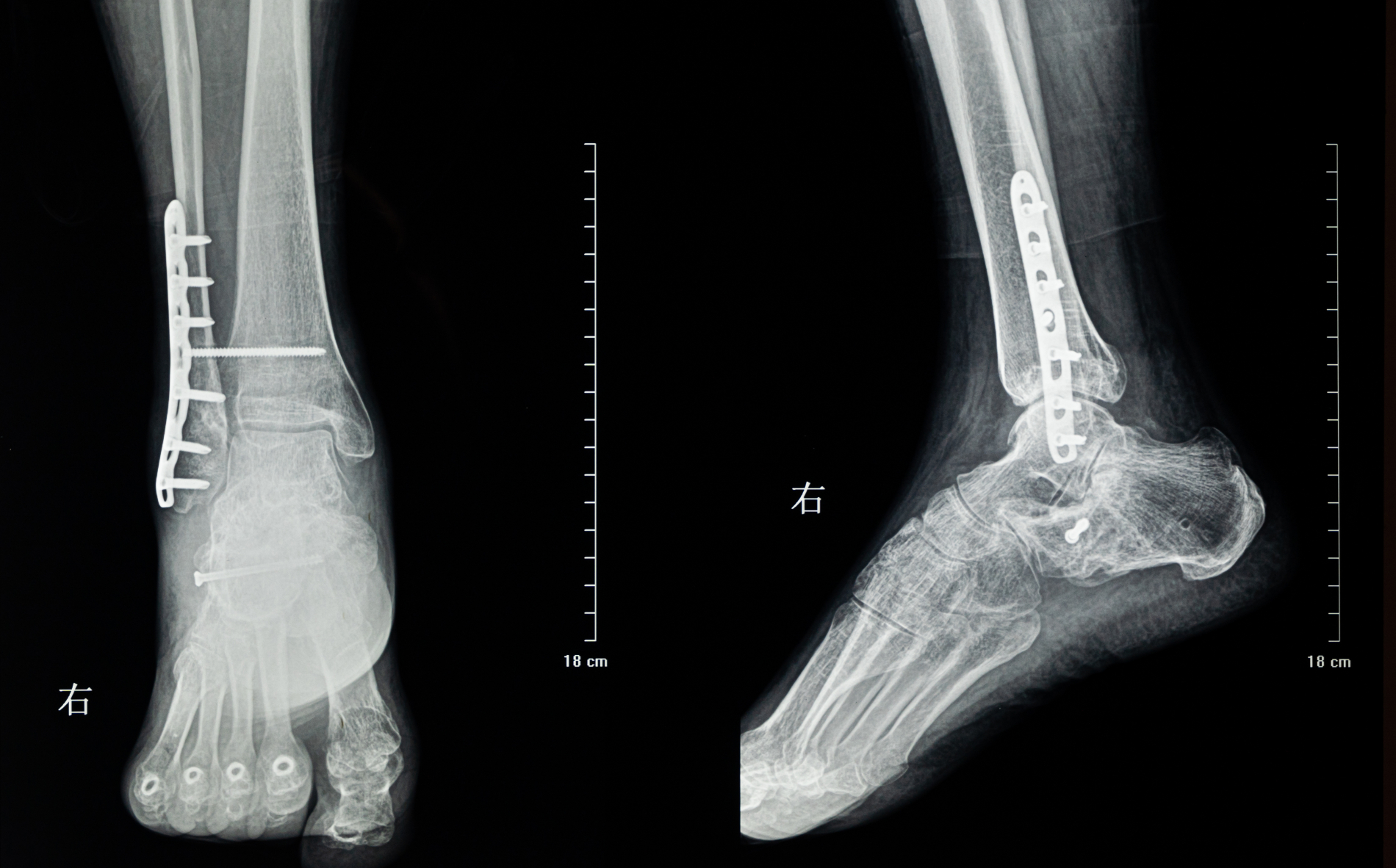
A stress fracture is a small crack or area of bone stress that develops when repeated load happens faster than the bone can recover. It is common in runners, dancers, athletes, military recruits, and people who suddenly increase walking or exercise.
Common symptoms
- Pain in one specific area of the foot or ankle
- Pain that increases with activity and improves with rest
- Tenderness when pressing over the bone
- Swelling without a clear major injury
Some stress fractures are not visible on an early X-ray. Ongoing focal pain still deserves an evaluation.
Why it happens
Rapid training changes, hard surfaces, worn shoes, low bone density, nutritional concerns, and foot mechanics can increase risk. A stress fracture can also happen when normal activity is placed on weakened bone.
How we evaluate a possible stress fracture
We identify the exact area of tenderness and review activity changes, health history, and nutrition or bone risk factors. Weight bearing X-rays may be taken. MRI, CT, or other imaging may be recommended when the X-ray is normal but suspicion remains high.
Treatment options
The goal is to protect the bone while it heals. Care may include:
- Stopping impact activity for a period of time
- A stiff shoe, walking boot, or cast
- Limited weight bearing for certain fracture locations
- Nutrition and bone health evaluation when indicated
- A gradual return to activity
- Surgery for selected high risk or displaced injuries
Returning to impact activity too soon can delay healing or turn a small injury into a complete fracture.
When to schedule an appointment
Schedule care for focal bone pain that returns with each workout or walk. Seek prompt care if you cannot bear weight, have marked swelling, or notice a change in foot shape.
Frequently asked questions
Can an X-ray miss a stress fracture?
Yes. Early stress injuries may not appear on an X-ray. The exam and, when needed, advanced imaging help guide the diagnosis.
Can I exercise while it heals?
Impact activity is usually paused. Some low impact options may be safe, depending on the bone involved and the stage of healing.
Why did this happen without an accident?
Stress fractures come from repeated load rather than one major event. A sudden training increase is a common trigger.
How to prepare for your appointment
Bring your usual walking or athletic shoes and any prior imaging. Note where the pain begins, which activities affect it, whether an injury occurred, and what treatments you have already tried.
Related care
You may also want to explore diagnostic ultrasound, bracing and walking boots, and shockwave therapy.
Foot and ankle care close to home
Signature Foot and Ankle provides personalized care at our Boynton Beach and Loxahatchee offices. Call 561 203 9285 or request an appointment online.