Peripheral Artery Disease
Reduced blood flow can cause leg pain and slow wound healing. Simple office testing can help identify risk.
What is peripheral artery disease?
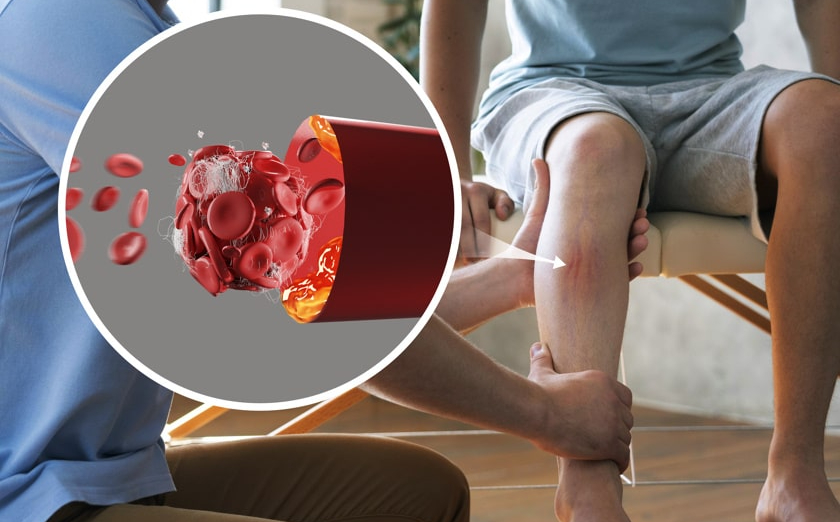
Peripheral artery disease, often called PAD, occurs when narrowed arteries reduce blood flow to the legs and feet. It may cause symptoms during walking, but some people have no warning signs until a wound heals slowly.
Common symptoms
- Calf, thigh, or buttock cramping with activity
- Foot or toe wounds that heal slowly
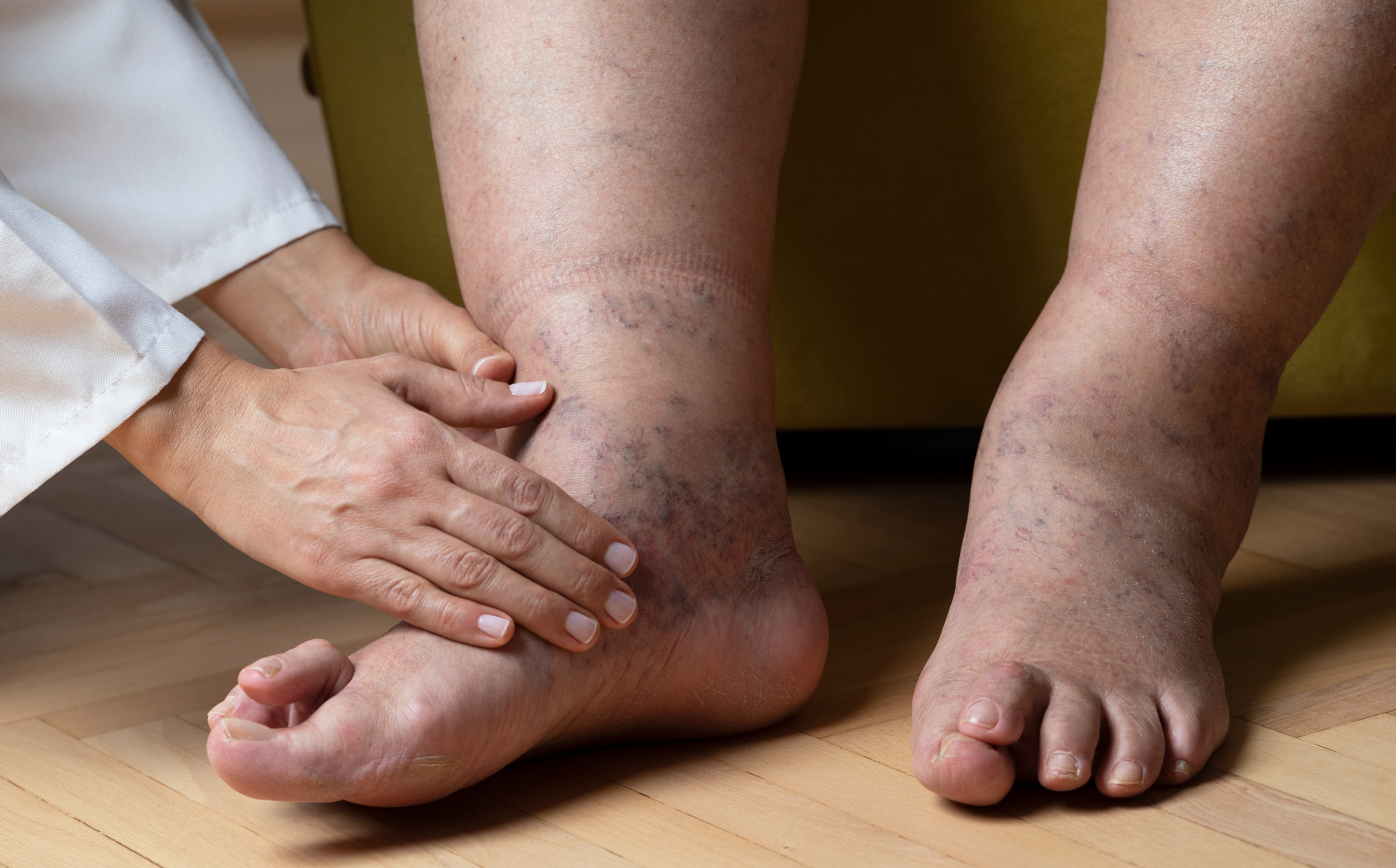
- Cool skin or color changes
- Weak pulses or reduced hair growth
- Pain in the foot at rest in more advanced cases
PAD is linked to heart and stroke risk. Foot findings can be an important reason to coordinate care with a primary care or vascular clinician.
Why it happens
Atherosclerosis is the most common cause. Smoking, diabetes, high blood pressure, high cholesterol, kidney disease, and age increase risk.
How we evaluate possible circulation problems
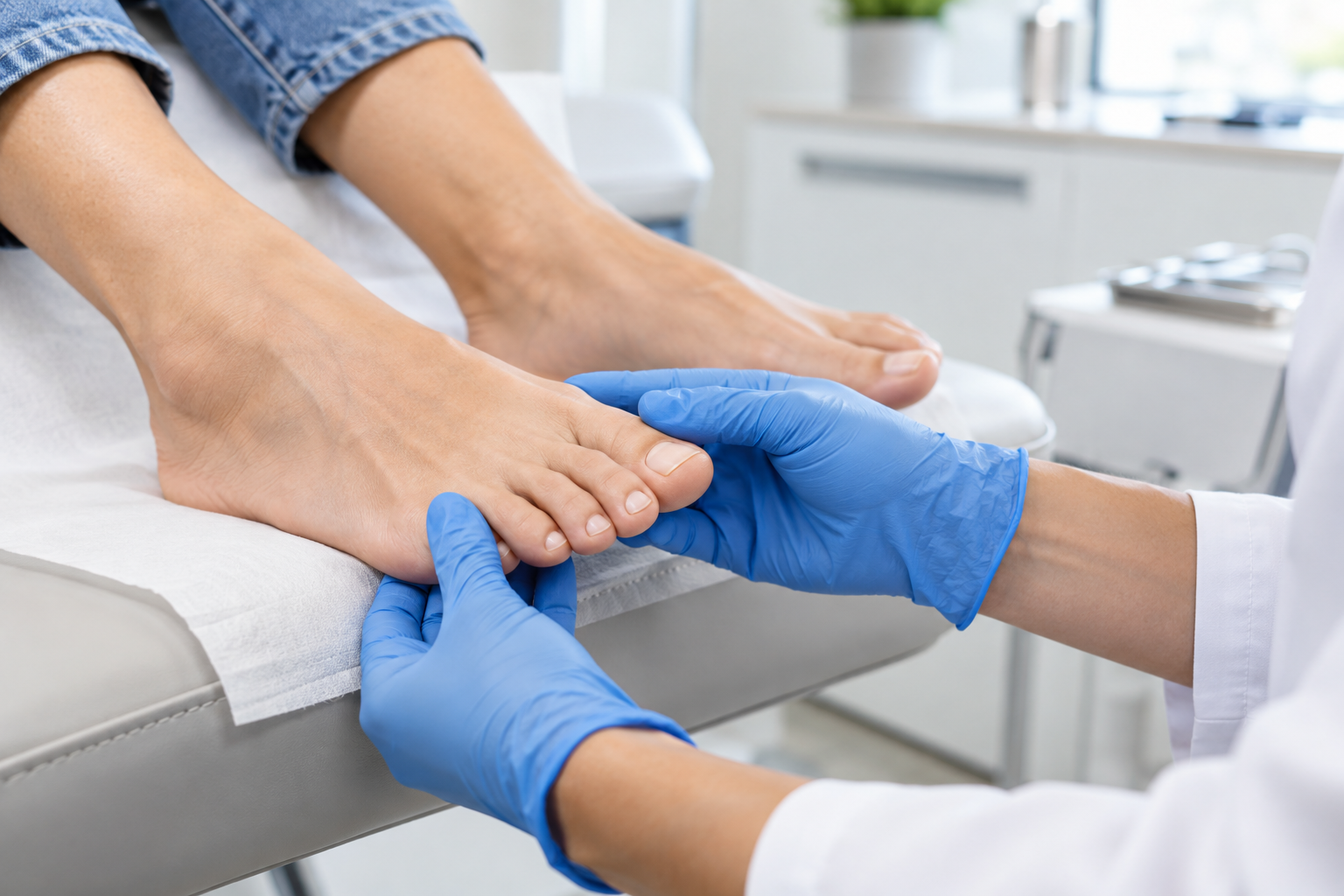
We review symptoms and health risks and examine skin, pulses, temperature, and wounds. Noninvasive PAD testing may compare blood pressure or blood flow at different points in the legs. Further vascular evaluation may be recommended.
Treatment options
Care depends on the severity and may include:
- Coordination for risk factor and medication management
- Smoking cessation support through the appropriate clinician
- Protective foot care and properly fitted shoes
- Wound care and pressure relief when needed
- Vascular referral for additional testing or treatment
A podiatry visit does not replace heart and vascular care. We work with the clinicians needed for a complete plan.
When to schedule an appointment
Seek urgent care for a suddenly cold, pale, blue, numb, or severely painful foot. A nonhealing wound or pain at rest also needs prompt evaluation.
Frequently asked questions
Can PAD exist without leg pain?
Yes. Some people have few symptoms, especially when activity is limited or neuropathy reduces pain.
Why does PAD affect wound healing?
Healing tissue needs oxygen and nutrients carried by blood. Reduced flow can slow the process and increase risk.
Is circulation testing painful?
Common noninvasive tests use pressure cuffs and sensors. They usually do not involve needles.
How to prepare for your appointment
Bring a medication list, relevant glucose information, prior circulation or nerve test results, and the shoes you wear most often. Tell us about previous wounds, infections, or changes in sensation.
Related care
You may also want to explore diabetic foot care, neuropathy, and wound care.
Foot and ankle care close to home
Signature Foot and Ankle provides personalized care at our Boynton Beach and Loxahatchee offices. Call 561 203 9285 or request an appointment online.