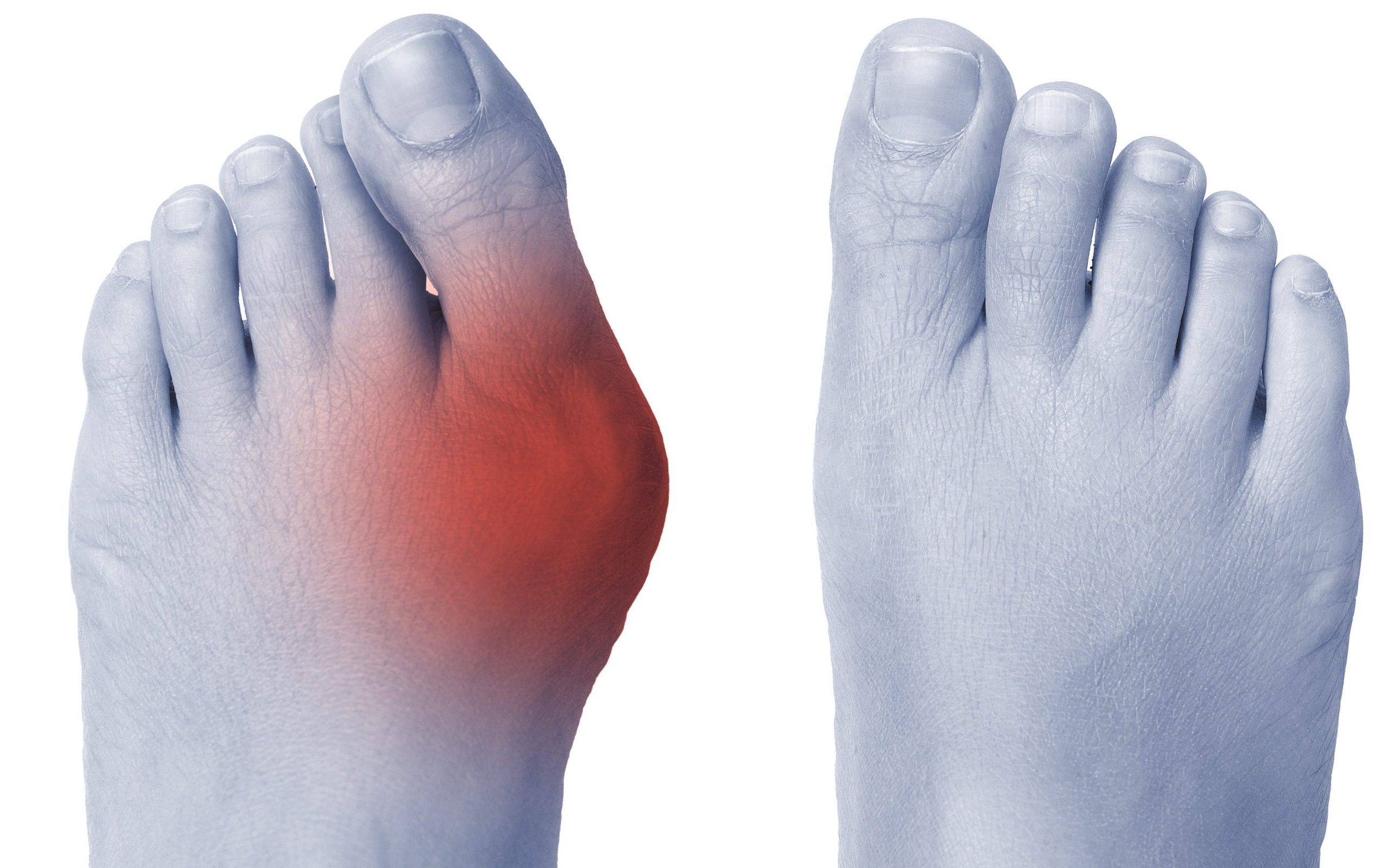
Minimally Invasive Surgery - Foot & Ankle
Selected foot and ankle procedures can be performed through smaller incisions, depending on the diagnosis and deformity.
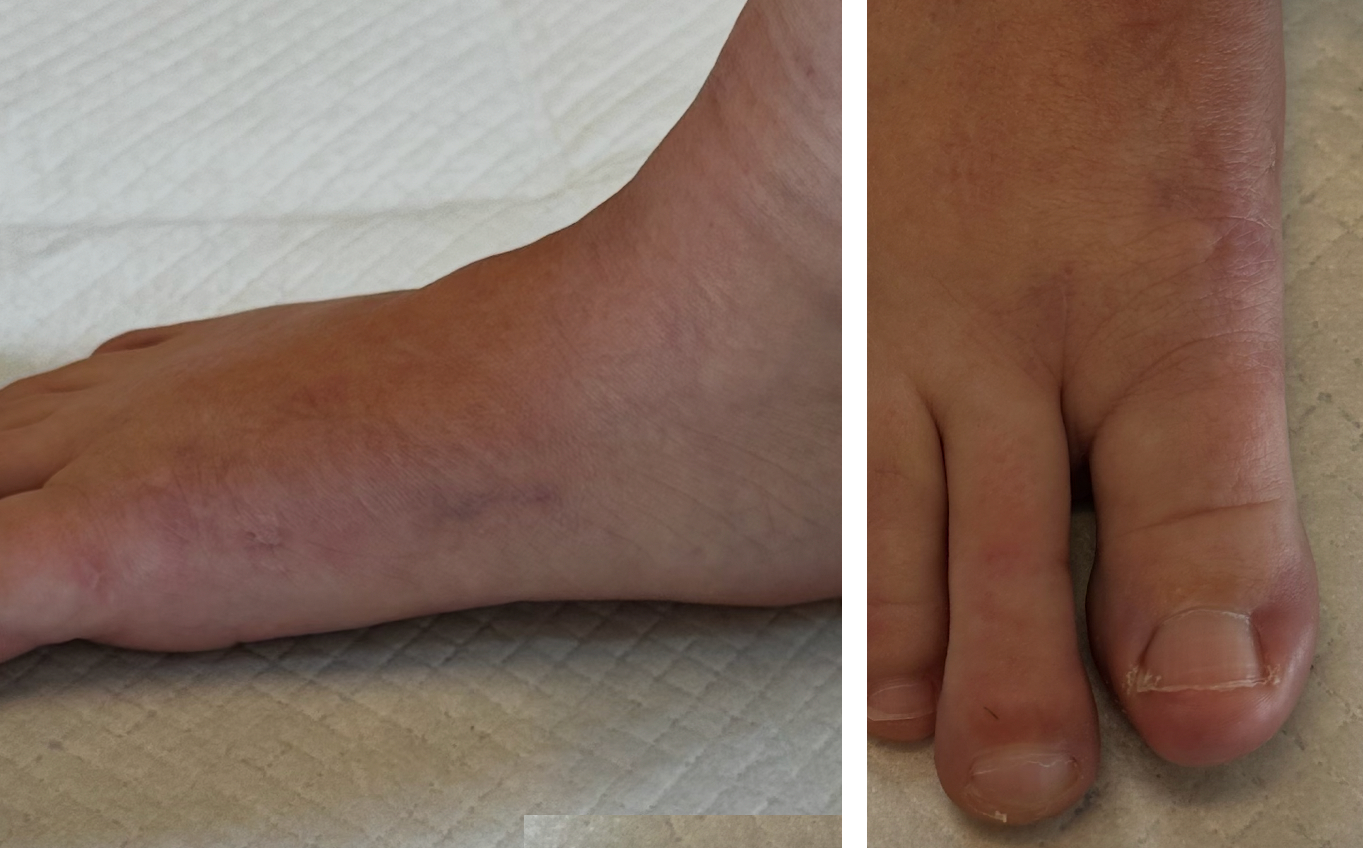
What is minimally invasive foot and ankle surgery?
Minimally invasive surgery uses small incisions and specialized instruments to correct selected bone or soft tissue problems. The goal is to address the underlying condition while limiting unnecessary disruption to nearby tissue. It is not the best approach for every diagnosis or every patient.
Which problems may be treated this way?
Depending on the examination and imaging, a surgeon may discuss a smaller incision approach for selected bunions, hammertoes, bone spurs, or other deformities. More complex deformity, instability, arthritis, poor bone quality, circulation concerns, or revision surgery may require a different technique.
How do we decide if it is appropriate?
The decision begins with your symptoms, activity goals, medical history, circulation, skin condition, and foot alignment. Weight bearing X-rays are often important. Your surgeon will compare minimally invasive and traditional options, including what each approach can and cannot correct.
What should I expect?
- A diagnosis and review of nonsurgical options
- Imaging to define alignment and joint condition
- A discussion of anesthesia, fixation, and incision placement
- Clear instructions for weight bearing, wound care, and follow up
- A recovery plan based on the actual procedure performed
Small incisions do not mean no recovery. Swelling, activity restrictions, and follow up imaging may still be necessary.
Questions to ask before surgery
- What problem is the procedure correcting?
- Why is this technique a good fit for my foot?
- When can I return to regular shoes, work, and exercise?
- What are the alternatives and possible complications?
Related care
Explore bunion surgery, hammertoe surgery, and bunions and foot deformities.
Frequently asked questions
Is Minimally Invasive Surgery - Foot & Ankle right for every patient?
No. The diagnosis, health history, previous care, treatment goals, and possible risks all affect whether this option should be considered.
How many visits will I need?
The schedule depends on the treatment and how the condition responds. You will receive a plan for follow up rather than a guaranteed number of visits.
What if I do not improve?
The diagnosis and plan should be reassessed. Another treatment, additional testing, a period of protection, or a specialist discussion may be appropriate.
Schedule a foot and ankle visit
Signature Foot and Ankle provides care in Boynton Beach and Loxahatchee. Call 561 203 9285 or request an appointment online.