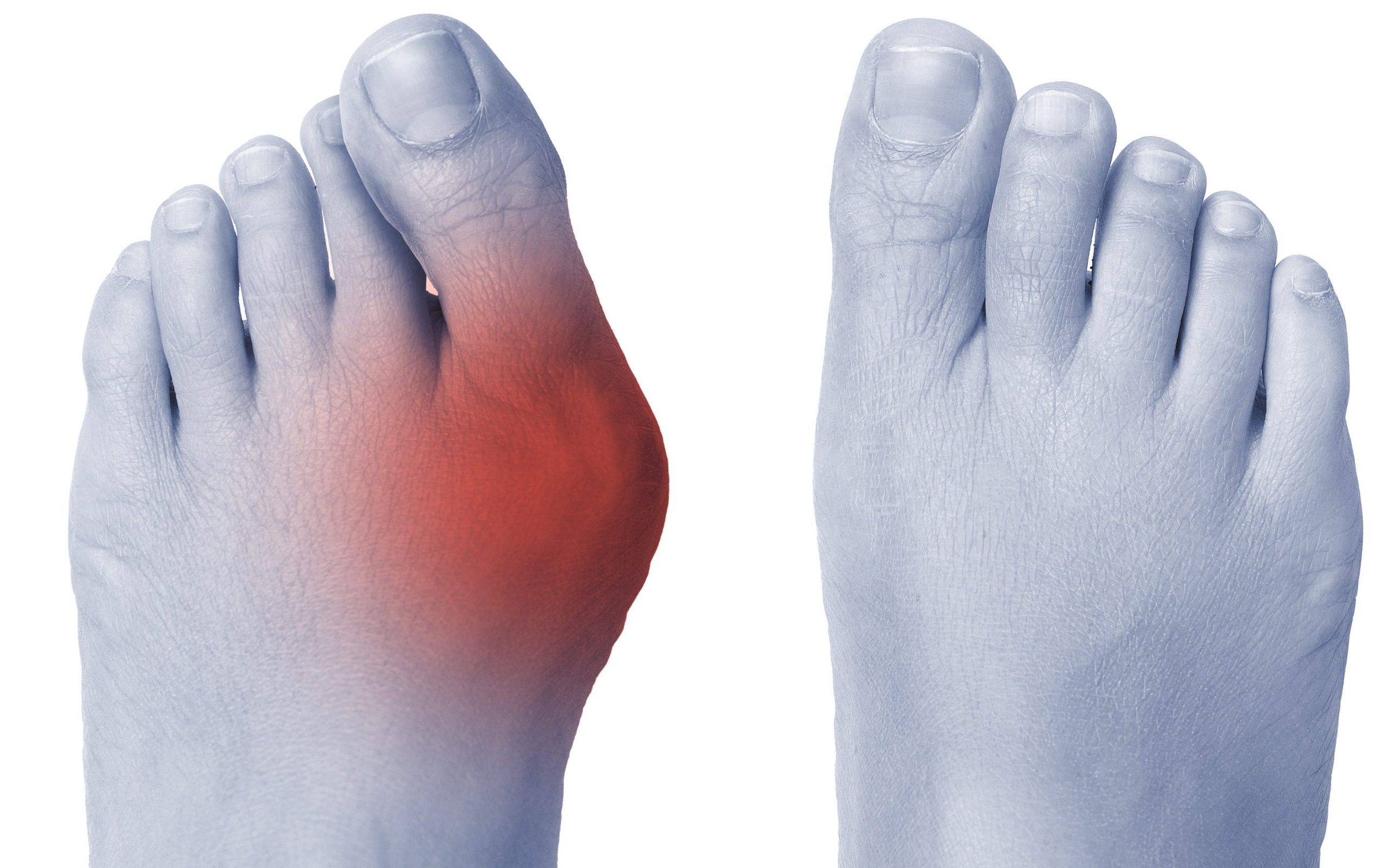
Foot, Ankle & Leg Pain
Foot, ankle, or leg pain is a symptom, not a diagnosis. The location and pattern of pain help identify the cause.

Why does the location of pain matter?
Foot, ankle, and lower leg pain can come from a bone, joint, tendon, ligament, nerve, skin problem, circulation issue, or the way the foot moves. The same symptom can have several possible causes, so treatment should follow a focused examination.
Common pain patterns
- Heel pain with first steps or after rest
- Arch pain or fatigue with standing
- Ball of foot pain, burning, or tingling
- Outer or inner ankle pain
- Pain behind the heel or along the Achilles tendon
- Lower leg pain during activity
- Night pain, numbness, or burning
What happens during an evaluation?
We ask when the pain started, whether an injury occurred, what activities affect it, and what shoes or treatments have been tried. The examination may include gait, alignment, strength, motion, stability, sensation, circulation, and the exact point of tenderness.
Will I need imaging?
Not every painful foot needs a scan. X-rays can help when a fracture, arthritis, alignment problem, or bone change is suspected. Ultrasound, MRI, nerve testing, or circulation testing may be recommended when the examination points to a specific question.
Treatment depends on the diagnosis
Options may include activity changes, footwear, stretching, physical therapy, bracing, a walking boot, orthotics, medication, an injection, or surgery. The plan should address the cause rather than simply covering up pain.
When should I seek prompt care?
Prompt evaluation is important after significant injury, when you cannot bear weight, or when the foot is deformed, cold, pale, blue, rapidly swollen, or newly numb. Fever, a spreading red area, or an open wound also needs timely care.
Related conditions
Explore heel pain, Achilles tendinitis, arthritis, and neuropathy.
Frequently asked questions
Will I need an X-ray or another test?
Testing depends on the examination and the suspected cause. Imaging is recommended when it can answer a specific question or change the treatment plan.
Can I continue my normal activity?
Activity guidance depends on pain, stability, strength, and the risk of making the problem worse. The clinician will explain what is safe to continue and what should be modified.
When should I schedule an appointment?
Schedule when symptoms persist, return repeatedly, limit walking or exercise, or cause concern about a new injury or change in the foot.
Schedule a foot and ankle visit
Signature Foot and Ankle provides care in Boynton Beach and Loxahatchee. Call 561 203 9285 or request an appointment online.