Flat Feet and Posterior Tibial Tendon Dysfunction
A falling arch can strain the posterior tibial tendon and make standing or walking painful.
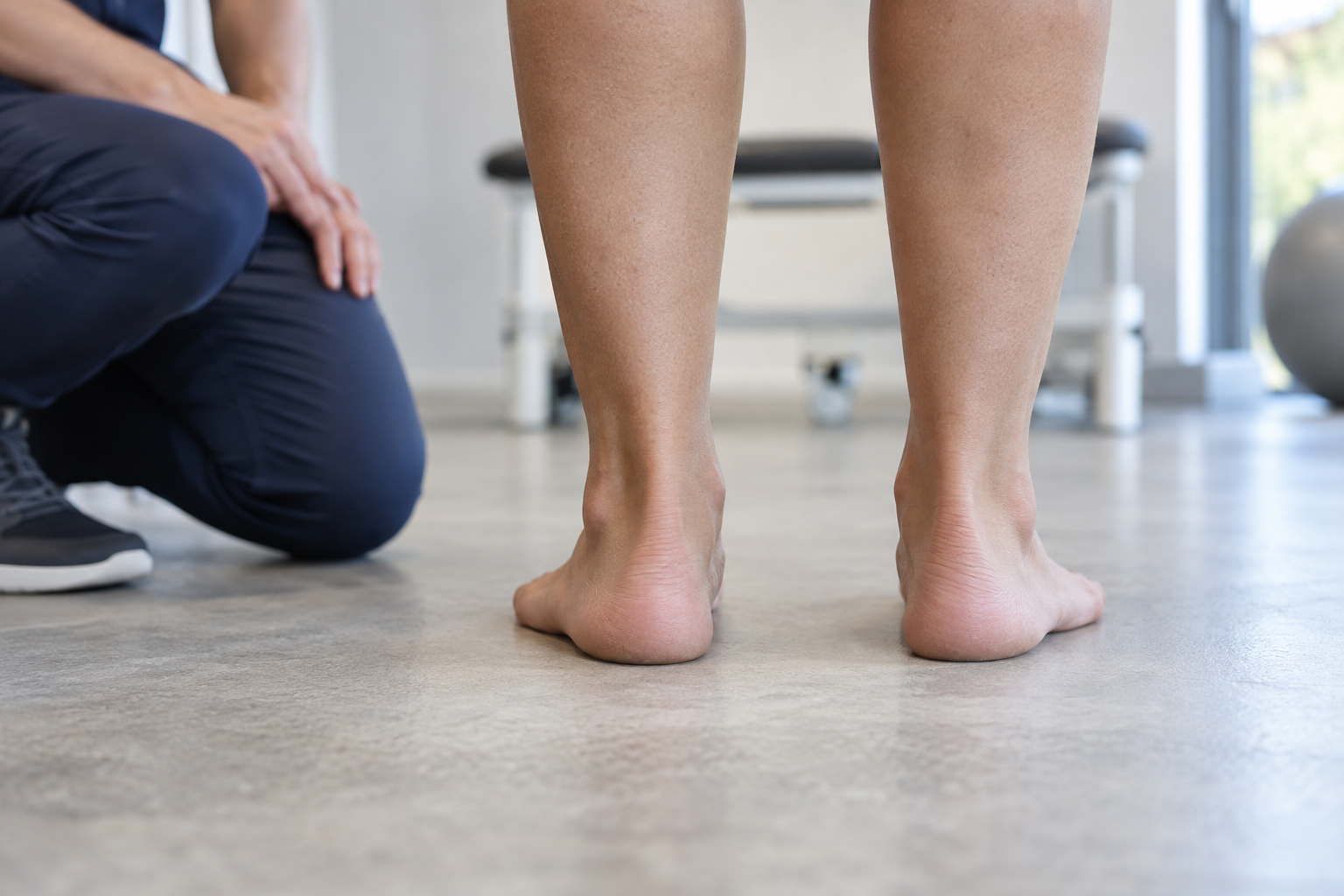
What is flat feet and PTTD?
Flat feet are common and do not always cause problems. Painful adult acquired flatfoot may develop when the posterior tibial tendon becomes irritated or weak. This tendon helps support the arch and control the foot during walking.
Common symptoms
- Pain or swelling along the inside of the ankle
- A foot that looks flatter than it used to
- Fatigue with standing or walking
- Difficulty rising onto the toes
- Pain that later shifts to the outside of the ankle
Children and adults can have flat feet for different reasons. Treatment is based on symptoms, flexibility, age, and the cause.
Why it happens
Foot structure, tendon overuse, an injury, arthritis, weight, and some health conditions can contribute. The tendon may gradually lose its ability to support the arch.
How we evaluate a painful flat foot
We compare both feet while sitting and standing, check tendon strength and flexibility, and watch how you walk. Weight bearing X-rays help show alignment. MRI or ultrasound may be used if tendon damage needs closer evaluation.
Treatment options
Early treatment may slow progression and improve comfort. Options include:
- Supportive shoes
- Custom orthotics or an ankle brace
- A walking boot during a painful flare
- Physical therapy and calf flexibility work
- Medication when appropriate
- Reconstructive surgery for selected advanced cases
A plan that works for a flexible painful arch may be different from the plan for a rigid deformity.
When to schedule an appointment
Schedule an evaluation if the arch is changing, the inside ankle is swollen, or standing and walking are becoming harder.
Frequently asked questions
Do all flat feet need treatment?
No. Treatment is generally recommended when there is pain, weakness, skin pressure, or progressive change.
Can orthotics rebuild the arch?
Orthotics do not permanently reshape the bones, but they can support the foot and reduce strain.
What does PTTD stand for?
It stands for posterior tibial tendon dysfunction, a condition in which a key arch supporting tendon becomes painful or weak.
How to prepare for your appointment
Bring the shoes that cause the most trouble and any inserts or braces you use. Be ready to describe which activities are limited and whether the shape or pain has changed over time.
Related care
You may also want to explore custom orthotics, foot deformities, and ball of foot pain.
Foot and ankle care close to home
Signature Foot and Ankle provides personalized care at our Boynton Beach and Loxahatchee offices. Call 561 203 9285 or request an appointment online.