Chronic Venous Insufficiency
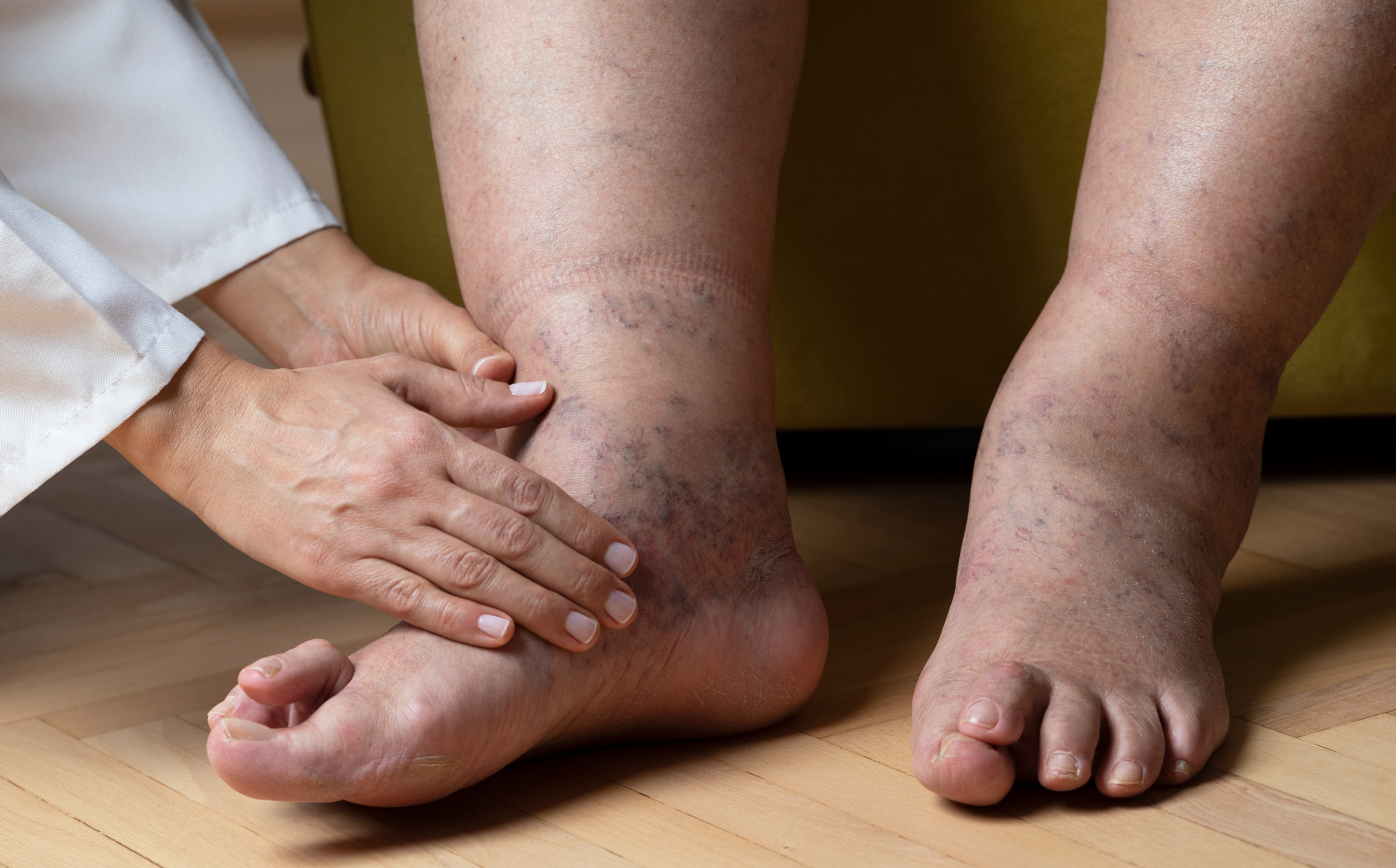
Swelling, skin changes, or ulcers near the ankle may occur when leg veins do not return blood efficiently.
What is chronic venous insufficiency?
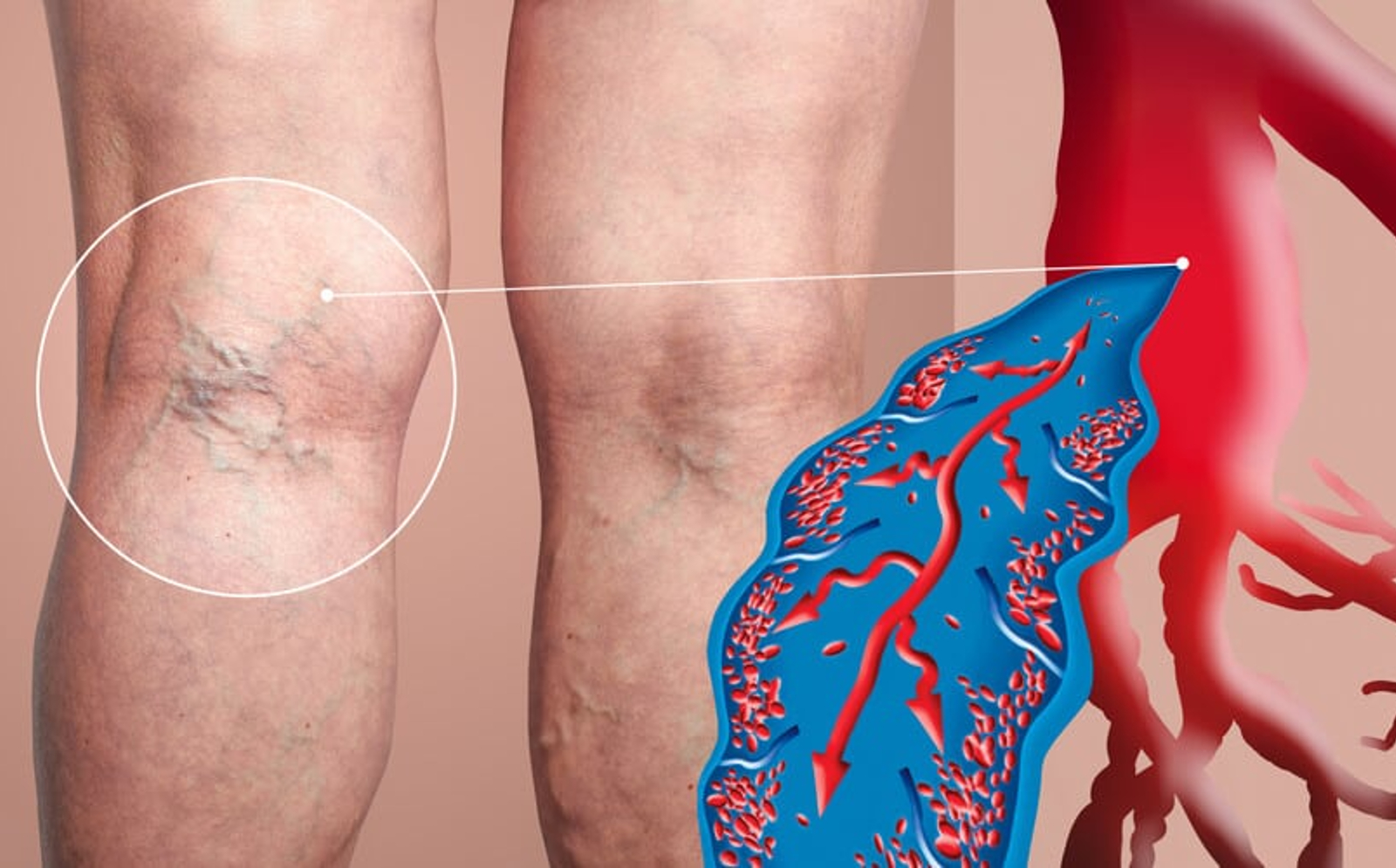
Chronic venous insufficiency, often called CVI, occurs when valves in the leg veins do not move blood back toward the heart efficiently. Pressure can build in the lower legs and lead to swelling, skin changes, or ulcers.
Common symptoms
- Ankle or lower leg swelling
- A heavy, aching, or tight feeling
- Brown or reddish skin discoloration
- Itching or irritated skin
- A wound near the inner ankle
Swelling can also come from a blood clot, heart or kidney problems, medication, infection, or other causes. New one sided swelling needs prompt assessment.
Why it happens
Prior blood clots, pregnancy, family history, excess weight, long periods of standing or sitting, and age can contribute to valve damage or poor vein function.
How we evaluate leg and ankle swelling
We review the pattern of swelling, examine the skin and wounds, and compare both legs. Noninvasive venous testing may be used to assess blood flow and valve function. Coordination with vascular or medical specialists may be needed.
Treatment options
Care may include:
- Elevation and movement guidance
- Compression when circulation and health status allow it
- Skin care
- Wound care and pressure management
- Coordination for vein treatment when appropriate
Compression should be chosen carefully when arterial circulation is reduced or certain health conditions are present.
When to schedule an appointment
Seek urgent evaluation for sudden one sided swelling, warmth, redness, chest pain, or shortness of breath. Schedule care for ongoing swelling, skin discoloration, or an open wound.
Frequently asked questions
Is venous insufficiency the same as PAD?
No. Venous insufficiency affects blood returning through veins. PAD affects blood moving to the legs through arteries.
Why is the skin turning brown near my ankle?
Longstanding venous pressure can allow blood components to collect in tissue and change skin color.
Can compression socks help?
They may help many people, but the correct strength and fit should be based on circulation and medical history.
How to prepare for your appointment
Bring a medication list, relevant glucose information, prior circulation or nerve test results, and the shoes you wear most often. Tell us about previous wounds, infections, or changes in sensation.
Related care
You may also want to explore diabetic foot care, neuropathy, and wound care.
Foot and ankle care close to home
Signature Foot and Ankle provides personalized care at our Boynton Beach and Loxahatchee offices. Call 561-203-9285 or book an appointment online.