Toe & Toenail Treatments
Painful, thick, curved, or damaged toenails can have different causes. A diagnosis helps match the treatment to the problem.

What toe and toenail problems do we treat?
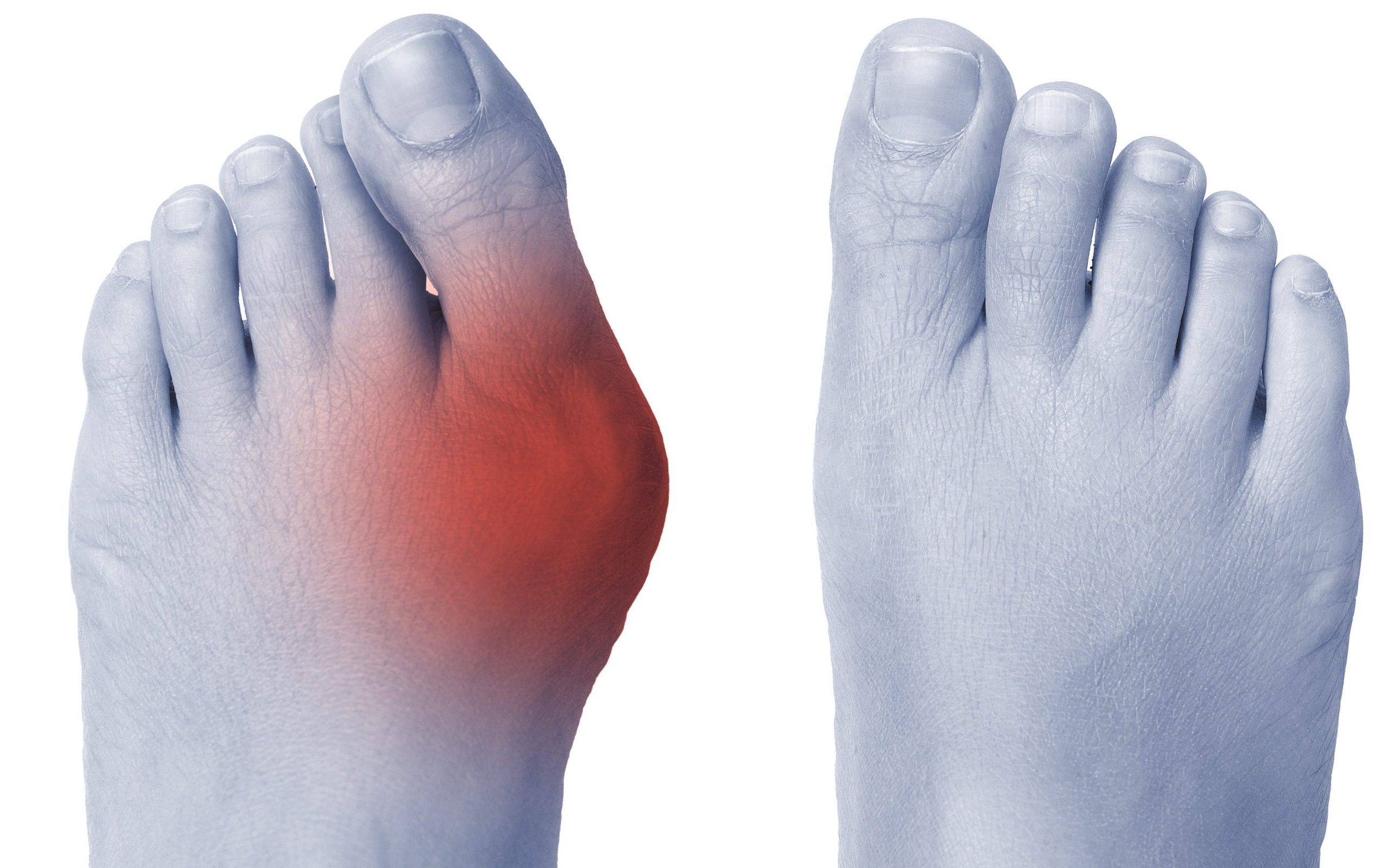
Toenails can become painful, thick, curved, discolored, loose, or damaged. Toes can also develop corns, pressure points, deformity, or injury. Because several problems may look similar, the first step is identifying the cause.
Common reasons patients visit
- Ingrown toenails with tenderness or swelling
- Thick or discolored nails
- Nail trauma, bruising, lifting, or nail loss
- Curved nails that press into the skin
- Difficulty trimming nails safely
- Toe pain from corns, pressure, or deformity
How do we find the cause?
We review shoe pressure, injuries, skin symptoms, medications, circulation, sensation, and previous treatments. The nail, nail fold, toe alignment, and surrounding skin are examined. Fungal testing or imaging may be recommended when the diagnosis is not clear.
Treatment options
Care depends on the condition and may include professional nail thinning, treatment for fungus, care for surrounding skin, pressure relief, a procedure for an ingrown nail, or correction of a painful toe deformity. Cosmetic restoration can be discussed only after active infection and other medical concerns are addressed.
When should I seek care quickly?
Schedule promptly for pus, spreading redness, severe pain, a rapidly darkening nail after injury, or a wound around the nail. People with diabetes, neuropathy, or poor circulation should not cut deeply into the nail corners or use medicated corn removers without clinical guidance.
Related treatments
Explore Onyfix nail correction, KeryFlex nail restoration, fungal nail laser treatment, and medical pedicures.
Frequently asked questions
Will I need an X-ray or another test?
Testing depends on the examination and the suspected cause. Imaging is recommended when it can answer a specific question or change the treatment plan.
Can I continue my normal activity?
Activity guidance depends on pain, stability, strength, and the risk of making the problem worse. The clinician will explain what is safe to continue and what should be modified.
When should I schedule an appointment?
Schedule when symptoms persist, return repeatedly, limit walking or exercise, or cause concern about a new injury or change in the foot.
Schedule a foot and ankle visit
Signature Foot and Ankle provides care in Boynton Beach and Loxahatchee. Call 561 203 9285 or request an appointment online.