Gout in the Foot and Ankle
Sudden redness and intense joint pain may be gout. Prompt evaluation can rule out infection and start appropriate care.

What is gout?
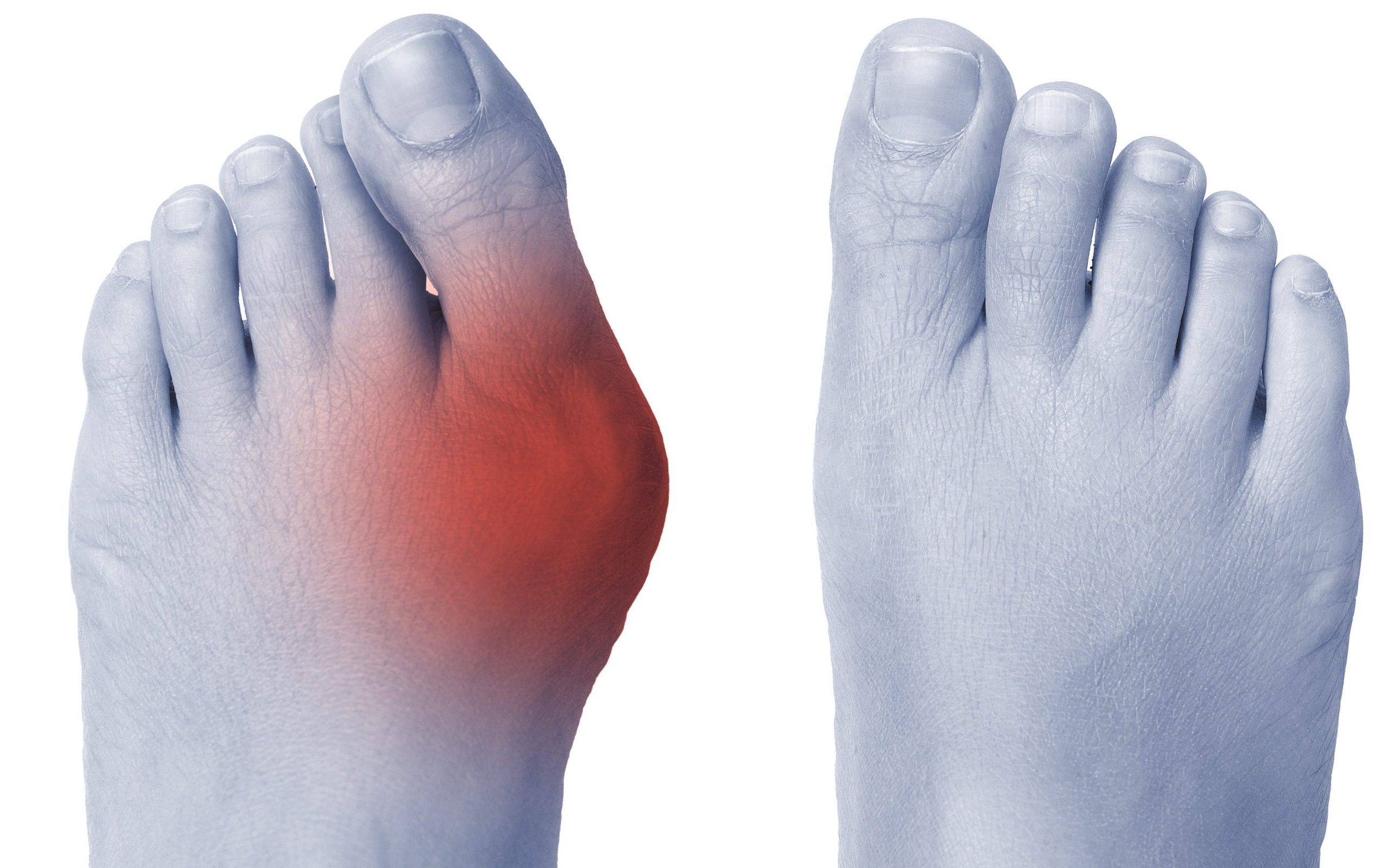
Gout is a form of inflammatory arthritis caused by urate crystals in a joint. It often affects the big toe, but it can also involve the ankle, midfoot, or other joints. A flare may begin suddenly, sometimes overnight.
Common symptoms
- Intense joint pain
- Redness, warmth, and swelling
- Pain from even light pressure or a bedsheet
- Limited motion during a flare
An infection can look very similar to gout and may require urgent treatment. Do not assume every red, swollen joint is gout.
Why it happens
Uric acid can build up when the body makes too much or the kidneys do not remove enough. Genetics, kidney disease, certain medicines, dehydration, alcohol, and some foods can contribute. Not everyone with a high uric acid level develops gout.
How we evaluate a possible gout flare
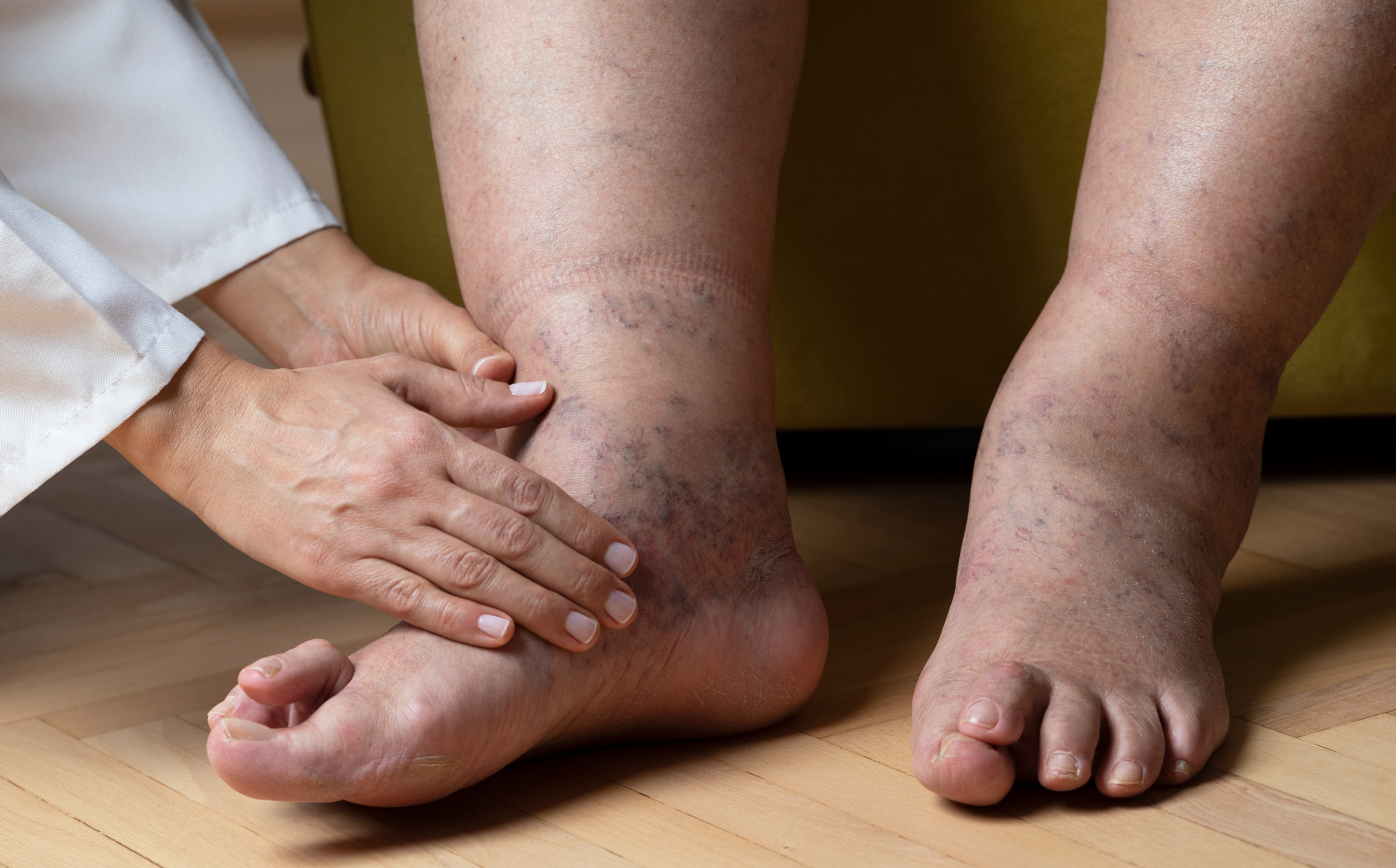
We review the timing of symptoms, medicines, health history, and prior flares. The joint is examined for warmth and swelling. Blood testing, X-rays, ultrasound, or joint fluid testing may be used depending on the situation.
Treatment options
Care may address the current flare and the risk of future attacks. It can include:
- Medication to reduce inflammation and pain
- Protection and rest for the painful joint
- Coordination with primary care or rheumatology for uric acid management
- Diet and hydration guidance as part of a broader medical plan
- Footwear or support for joint damage caused by repeated flares
Long term uric acid medicine should be managed with the clinician who knows your full medical history.
When to schedule an appointment
Seek prompt care for a first episode of a hot, red, swollen joint, especially with fever, a wound, diabetes, or a weakened immune system.
Frequently asked questions
Is gout caused only by diet?
No. Diet can contribute, but genetics, kidney function, medicines, and other health factors are also important.
Can gout affect more than the big toe?
Yes. It can affect the ankle, midfoot, and other joints.
Why does the diagnosis need confirmation?
Infection and other types of arthritis can cause similar symptoms. The treatments are different, so an accurate diagnosis matters.
How to prepare for your appointment
Bring your usual walking or athletic shoes and any prior imaging. Note where the pain begins, which activities affect it, whether an injury occurred, and what treatments you have already tried.
Related care
You may also want to explore diagnostic ultrasound, bracing and walking boots, and shockwave therapy.
Foot and ankle care close to home
Signature Foot and Ankle provides personalized care at our Boynton Beach and Loxahatchee offices. Call 561 203 9285 or request an appointment online.