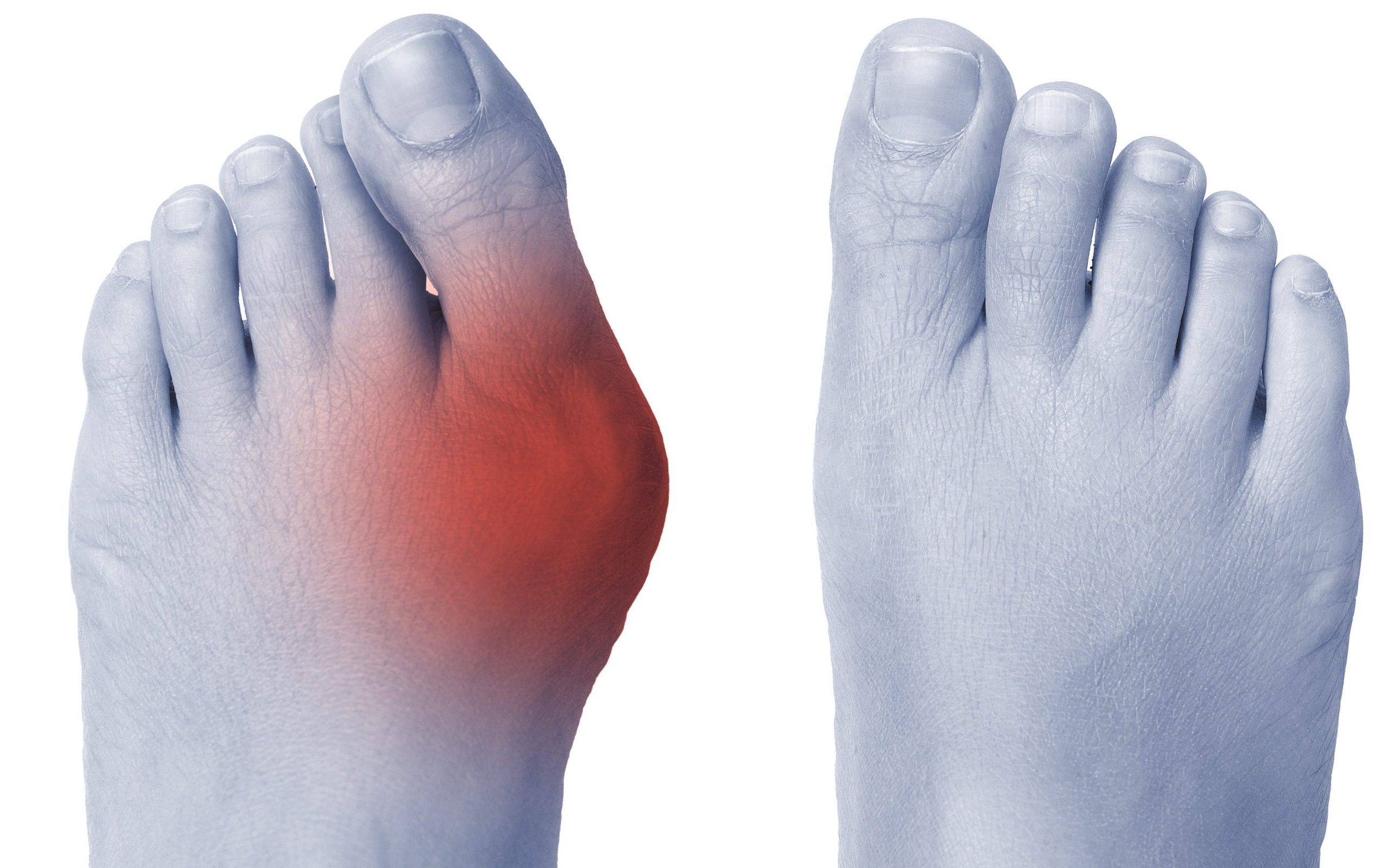
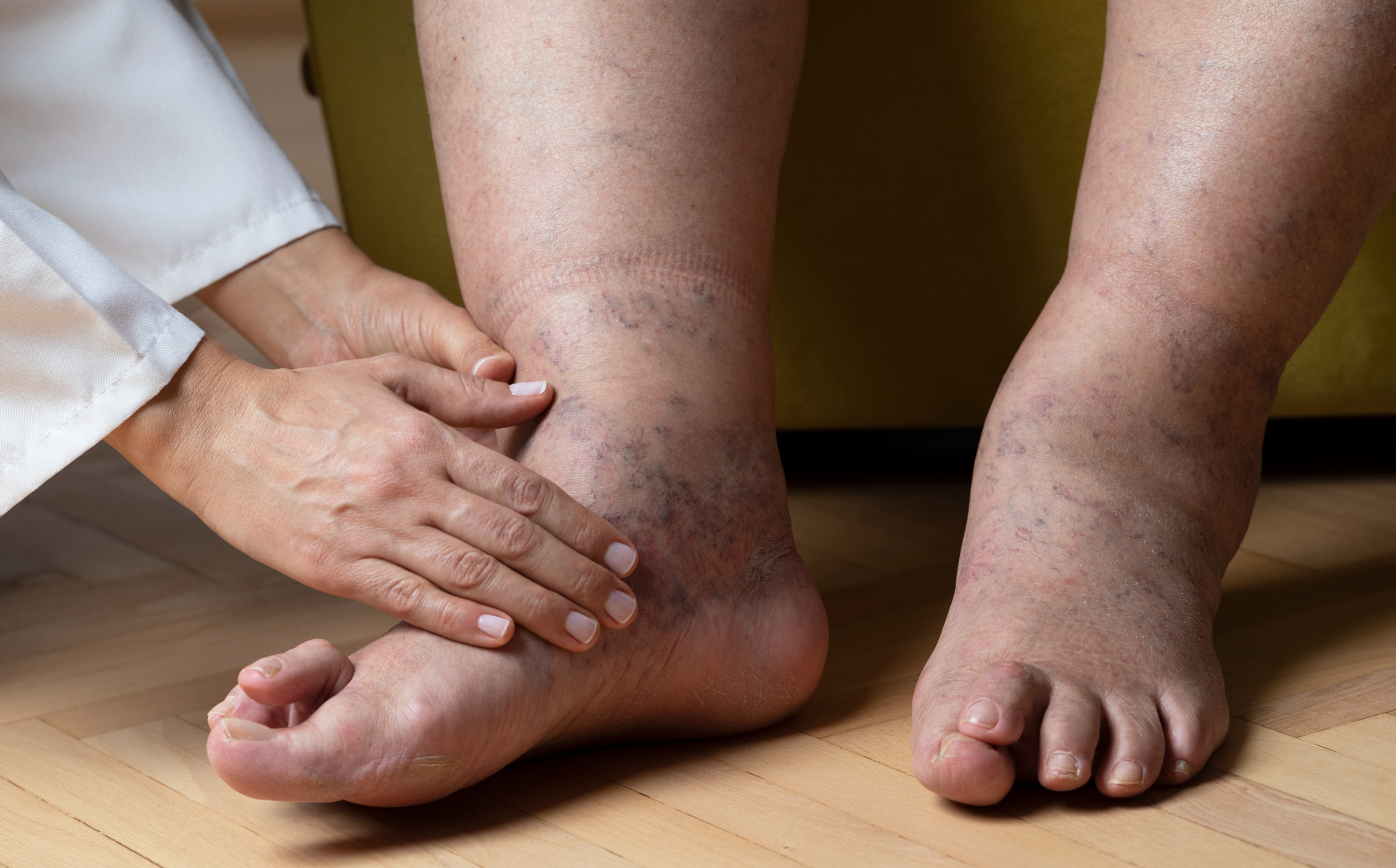
Specialized Foot & Ankle Treatments for Auto Accidents, Slip & Falls, and Personal Injury Cases
Focused foot and ankle evaluation after an auto accident, slip, fall, or other injury.
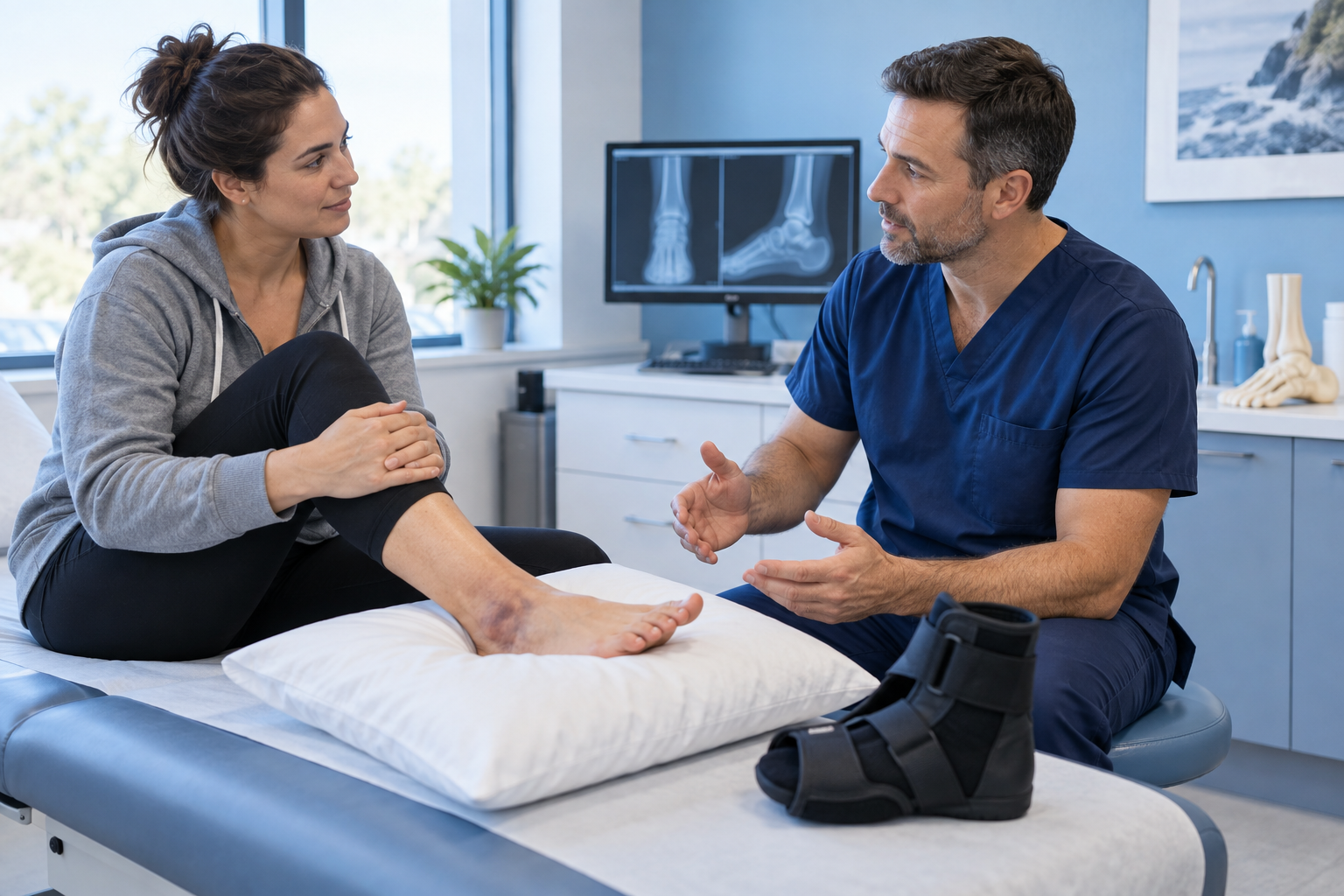
When should foot or ankle pain after an accident be evaluated?
Foot and ankle injuries can happen during a car accident, slip, fall, or other sudden impact. Pain may begin right away, or it may become more noticeable after swelling and stiffness develop. An evaluation can help identify the injured area and determine whether imaging, support, or follow-up care is appropriate.
Contact Signature Foot and Ankle if you have new pain, swelling, bruising, weakness, numbness, or difficulty walking after an accident. A prompt visit is especially important when symptoms are getting worse or limiting your normal activity.
Symptoms we evaluate
Accident-related symptoms can involve bones, joints, ligaments, tendons, nerves, or the skin. Common concerns include:
- Heel, arch, forefoot, ankle, or lower leg pain
- Swelling, bruising, or tenderness
- Difficulty standing, walking, or bearing weight
- A feeling that the ankle may give way
- Numbness, tingling, burning, or weakness
- A cut, blister, or wound that is not healing as expected
These symptoms do not confirm a particular diagnosis. Similar symptoms may come from a sprain, fracture, tendon injury, joint irritation, nerve problem, or another condition. A focused examination helps narrow down the cause.
What happens during the evaluation?
Your podiatrist will ask how the accident happened, when symptoms began, and how the problem affects walking and daily activities. The examination may include checking swelling, tender areas, motion, strength, stability, sensation, circulation, and walking pattern.
Depending on the findings, digital X-rays or other testing may be recommended. Not every soft tissue or nerve injury appears on an initial X-ray, so the next step is based on the complete examination rather than one test alone.
How are accident-related injuries treated?
Treatment depends on the diagnosis, severity of the injury, activity needs, and general health. A care plan may include activity changes, supportive shoes, bracing, a walking boot, medication guidance, physical therapy, wound care, or another treatment. Surgery is considered only when the diagnosis and individual circumstances support it.
The goal is to protect the injured area, support healing, reduce symptoms, and help you return to activity safely. Recovery time varies, and no treatment can guarantee a specific result.
Medical records and personal injury cases
Clear records can be important when an injury is connected with an auto accident or personal injury matter. Bring any emergency room records, imaging reports, claim information, and contact details for involved professionals. Our team can document the examination, diagnosis, recommendations, and progress over time.
Insurance and billing arrangements vary. Please call the office before your visit so the team can confirm what information is needed and whether your case can be accepted.
When should I seek urgent care?
Seek urgent medical attention for an open injury, severe swelling, a visibly deformed foot or ankle, loss of feeling, a foot that becomes cold or changes color, or an inability to bear weight after significant trauma. Call 911 for a life-threatening emergency.
Frequently asked questions
What if the pain started several days after the accident?
Some symptoms become more noticeable after inflammation or altered walking develops. New or persistent pain should still be evaluated, even if it did not begin immediately.
What if an emergency room X-ray did not show a fracture?
An X-ray is useful for many bone problems, but it does not show every ligament, tendon, cartilage, or nerve injury. A foot and ankle examination can help determine whether further testing or treatment is appropriate.
Should I bring information from my attorney or insurance company?
Yes. Bring any claim details, contact information, prior records, and instructions you have received. The office team can explain what additional information may be required.
Can I keep exercising while I wait for an appointment?
Avoid activities that increase pain or instability. If walking is difficult or symptoms are severe, seek prompt care rather than waiting for a routine visit.
How to prepare for your appointment
Bring a photo ID, medication list, prior imaging or test results, accident records, and the shoes or support devices you use most often. Write down when each symptom began and how it has changed.
Related care
Learn more about fractures and trauma, sports injuries, digital X-rays, and our other conditions and treatments.
Schedule an evaluation
Signature Foot and Ankle provides accident-related foot and ankle evaluations in Boynton Beach and Loxahatchee. Call 561 203 9285 or request an appointment online.