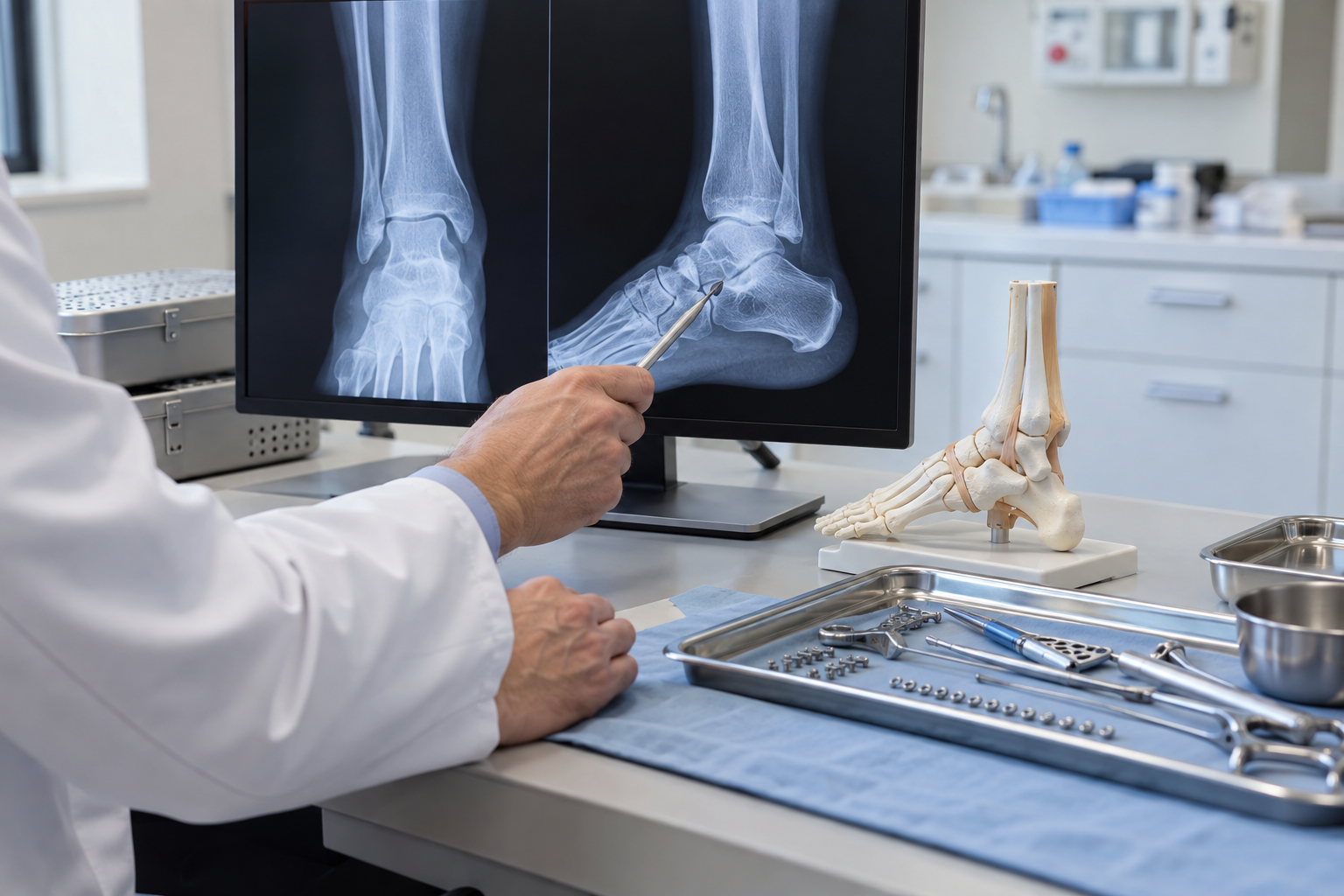
EMG and NCV studies evaluate nerve and muscle function when symptoms include numbness, tingling, burning, or weakness.
Electromyography, called EMG, and nerve conduction velocity testing, called NCV, evaluate how nerves and muscles are working. They may be recommended when symptoms such as numbness, tingling, burning, weakness, or radiating pain suggest a possible nerve or muscle problem.
These tests provide different information from an X-ray or MRI. Results are interpreted together with your symptoms and examination. An abnormal or normal result does not establish every possible diagnosis by itself.
EMG and NCV studies may help evaluate peripheral neuropathy, a pinched or injured nerve, tarsal tunnel syndrome, unexplained muscle weakness, or symptoms that may be coming from another part of the leg or back. The specific nerves and muscles tested depend on the clinical question.
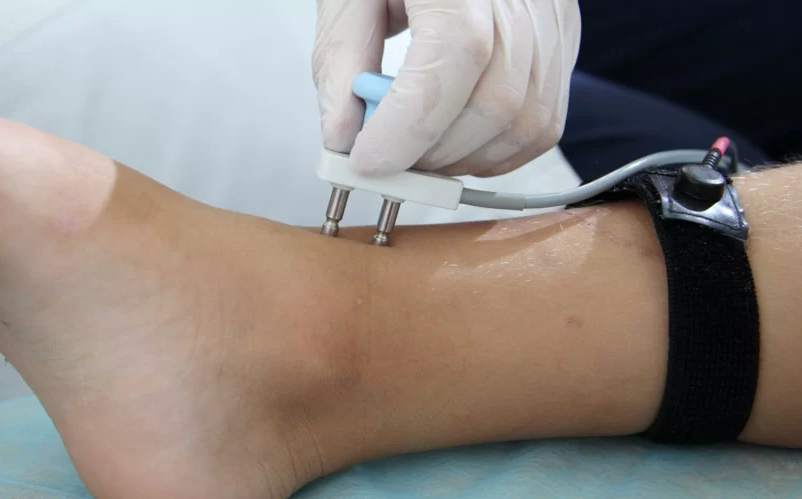
Small electrodes are placed on the skin. Brief electrical pulses stimulate selected nerves while the equipment measures how the signal travels. You may feel a quick tapping or tingling sensation. The intensity and number of measurements vary with the area being tested.
A thin needle electrode is placed into selected muscles to record electrical activity at rest and during gentle movement. This can cause brief discomfort, and a tested muscle may feel sore afterward. Tell the clinician if you need a pause at any time.
Do not stop a prescribed medicine unless the clinician who manages it tells you to do so.
Most people can leave after the study. Temporary muscle soreness or a small bruise may occur after the needle portion. The clinician will explain when results are available and how they affect the next step in care.
Timing varies with the number of nerves and muscles that need to be evaluated. The office can provide an estimate when your study is scheduled.
The tests can provide useful evidence about nerve and muscle function, but results must be considered with the examination and other possible causes.
That depends on the findings. Imaging, laboratory testing, circulation testing, or follow-up evaluation may be recommended when it would answer a separate clinical question.
Learn more about neuropathy and burning feet, foot, ankle, and leg pain, and circulation testing.
EMG and NCV studies are scheduled after a clinician determines that testing is appropriate. Signature Foot and Ankle provides care in Boynton Beach and Loxahatchee. Call 561 203 9285 or request an appointment online.